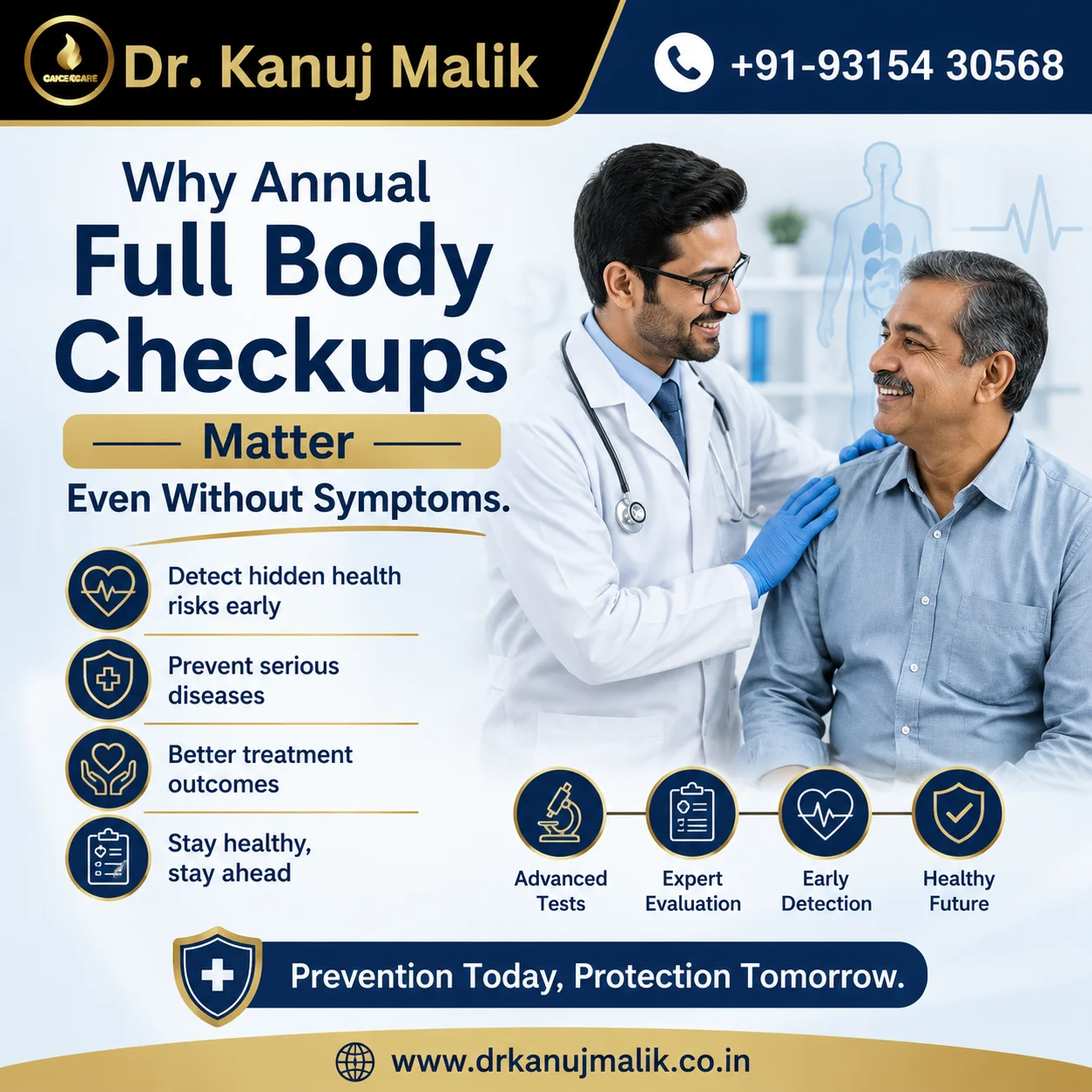
An Annual Full Body Checkup is one of the simplest yet most effective ways to protect your long-term health. Many people believe that if they feel healthy, there is no need to visit a doctor. However, several serious conditions, including diabetes, high blood pressure, heart disease, thyroid disorders, and even certain types of cancer, can develop silently without causing noticeable symptoms in their early stages.
This is why doctors recommend scheduling an Annual Full Body Checkup even when you feel completely fine. Preventive health screenings help identify hidden health problems before they become serious, allowing treatment to begin at the right time. Early diagnosis often leads to better treatment outcomes, lower medical expenses, and a higher quality of life.
If you have a family history of chronic diseases, follow a stressful lifestyle, smoke, consume alcohol regularly, or are over the age of 40, an Annual Full Body Checkup becomes even more important. It gives both you and your doctor a clear understanding of your current health and helps detect changes before they turn into major medical concerns.
What Is an Annual Full Body Checkup?
An Annual Full Body Checkup is a preventive medical evaluation designed to assess your overall health before symptoms appear. Rather than waiting for illness to develop, these routine examinations help detect diseases at an early stage when they are usually easier to manage and treat.
A comprehensive health checkup typically combines a physical examination, laboratory investigations, and a doctor’s consultation to evaluate how well your body is functioning. The exact tests may vary depending on your age, medical history, lifestyle, and existing health conditions.
A standard Annual Full Body Checkup may include:
- Complete physical examination
- Blood pressure measurement
- Complete Blood Count (CBC)
- Blood sugar tests
- Lipid profile
- Liver function tests
- Kidney function tests
- Urine examination
- Thyroid profile (when recommended)
- Electrocardiogram (ECG), if appropriate
- Doctor consultation and health risk assessment
These investigations create a baseline of your health, making it easier to identify changes during future checkups. Instead of treating disease after symptoms appear, preventive healthcare focuses on identifying risks early and reducing the chances of complications.
Why Annual Full Body Checkups Matter Even Without Symptoms?
One of the biggest misconceptions about health is believing that the absence of symptoms means everything is normal. Unfortunately, many serious medical conditions develop gradually and remain unnoticed for months or even years.
An Annual Full Body Checkup helps uncover these hidden conditions before they start affecting your daily life. Early diagnosis allows doctors to recommend lifestyle modifications, medications, or additional investigations before the disease progresses.
Some conditions that commonly remain symptom-free during their early stages include:
- High blood pressure (Hypertension)
- Type 2 diabetes
- High cholesterol
- Fatty liver disease
- Chronic kidney disease
- Thyroid disorders
- Vitamin deficiencies
- Certain cancers
For example, many cancers do not produce noticeable symptoms until they reach an advanced stage. This is why regular health evaluations and age-appropriate screenings are strongly recommended. Understanding the early signs of cancer you should not ignore can also help you seek timely medical attention if unusual symptoms develop between routine checkups.
An Annual Full Body Checkup is not only about finding disease—it also confirms when everything is normal. Knowing that your major health indicators are within a healthy range provides reassurance while helping you maintain healthy habits.
Hidden Health Conditions an Annual Full Body Checkup Can Detect Early
Routine preventive screenings play a significant role in identifying diseases before they become difficult to manage. Early detection often means simpler treatment, fewer complications, and improved long-term health outcomes.
| Health Condition | Why Early Detection Matters |
|---|---|
| Diabetes | Helps prevent damage to the kidneys, nerves, eyes, and heart. |
| High Blood Pressure | Reduces the risk of stroke, heart attack, and kidney disease. |
| High Cholesterol | Lowers the risk of blocked arteries and cardiovascular disease. |
| Fatty Liver Disease | Allows lifestyle changes before permanent liver damage occurs. |
| Thyroid Disorders | Supports early treatment for hormonal imbalance and metabolism issues. |
| Certain Cancers | Improves treatment success through early diagnosis and timely intervention. |
Along with routine blood investigations, doctors may also recommend regular cancer screenings based on your age and individual risk factors. These screenings are especially valuable for people with a family history of cancer, tobacco use, obesity, or other high-risk conditions.
Key Benefits of an Annual Full Body Checkup
An Annual Full Body Checkup is much more than a routine medical appointment. It is a proactive approach to maintaining good health and reducing the risk of serious illnesses. By identifying potential problems early, you can take timely action before they affect your quality of life.
Some of the most important benefits include:
- Early detection of diseases: Conditions like diabetes, hypertension, thyroid disorders, and certain cancers can often be identified before symptoms appear.
- Better treatment outcomes: Diseases diagnosed at an early stage are generally easier to manage and may require less aggressive treatment.
- Monitoring your overall health: Comparing your reports year after year helps doctors identify even small changes in your health.
- Lower healthcare costs: Preventive care is usually more affordable than treating advanced illnesses or medical emergencies.
- Personalized health advice: Your doctor can recommend lifestyle changes based on your age, family history, weight, and medical conditions.
- Peace of mind: Knowing that your major health parameters are within the normal range can reduce unnecessary anxiety about your health.
An Annual Full Body Checkup also encourages healthier habits. Many people become more motivated to improve their diet, exercise regularly, quit smoking, and manage stress after reviewing their health reports with a doctor.
What Does an Annual Full Body Checkup Include?
The exact tests included in an Annual Full Body Checkup vary depending on your age, gender, lifestyle, and medical history. However, most comprehensive health packages include the following essential investigations.
| Test | Purpose |
|---|---|
| Complete Blood Count (CBC) | Detects anemia, infections, and other blood-related conditions. |
| Fasting Blood Sugar / HbA1c | Checks for diabetes and prediabetes. |
| Lipid Profile | Measures cholesterol levels and evaluates heart disease risk. |
| Liver Function Test (LFT) | Assesses liver health and detects liver-related disorders. |
| Kidney Function Test (KFT) | Evaluates kidney performance and identifies early kidney disease. |
| Thyroid Function Test | Detects thyroid hormone imbalance. |
| Urine Examination | Helps identify urinary tract infections, kidney disorders, and diabetes-related changes. |
| Blood Pressure & BMI | Evaluates cardiovascular health and obesity-related risks. |
| ECG (if recommended) | Checks heart rhythm and detects certain cardiac abnormalities. |
| Doctor Consultation | Reviews reports, medical history, and future health risks. |
Depending on your age or risk profile, your doctor may also recommend additional screening tests. For example, individuals with a family history of cancer may require specific investigations such as mammography, colon screening, HPV testing, or advanced imaging when medically indicated.
Modern diagnostic technologies continue to improve the accuracy of early disease detection. Learn how AI and technology are transforming cancer diagnosis and helping doctors identify diseases at earlier stages.
Who Should Get an Annual Full Body Checkup?
Although everyone can benefit from preventive healthcare, an Annual Full Body Checkup is especially important for people who have a higher risk of developing chronic diseases.
You should consider scheduling a yearly health evaluation if you:
- Are 30 years of age or older.
- Have a family history of diabetes, hypertension, heart disease, or cancer.
- Smoke or consume alcohol regularly.
- Are overweight or obese.
- Have a sedentary lifestyle or desk job.
- Experience high levels of stress.
- Have existing medical conditions that require monitoring.
- Want to track your overall health and prevent future illnesses.
Women and men above the age of 40 should discuss age-specific cancer screening tests with their doctor. Preventive screening plays a crucial role in identifying cancers at a stage when treatment is often more successful.
Adopting healthy daily habits can further reduce your long-term disease risk. Simple lifestyle changes that lower cancer risk, such as maintaining a healthy weight, staying physically active, avoiding tobacco, and eating a balanced diet, complement the benefits of an Annual Full Body Checkup.
Age-Wise Health Screening Recommendations
Your healthcare needs change as you grow older. An Annual Full Body Checkup should be customized according to your age, medical history, and individual risk factors.
| Age Group | Recommended Health Focus |
|---|---|
| 20–30 Years | General physical examination, CBC, blood sugar, BMI, blood pressure, and lifestyle assessment. |
| 30–40 Years | Blood sugar, cholesterol, liver function, kidney function, thyroid profile, and heart risk evaluation. |
| 40–50 Years | Comprehensive Annual Full Body Checkup along with doctor-recommended cancer screening and cardiovascular evaluation. |
| Above 50 Years | Annual health screening, bone health assessment, heart evaluation, and age-appropriate cancer screening based on individual risk factors. |
Remember, these are general recommendations. Your doctor may advise additional tests depending on your symptoms, family history, previous medical reports, or lifestyle-related risks.
How to Prepare for an Annual Full Body Checkup
Preparing properly for an Annual Full Body Checkup helps ensure your test results are as accurate as possible. Following a few simple guidelines before your appointment can make the evaluation smoother and more reliable.
Here are some useful preparation tips:
- Fast for 8–12 hours if your doctor has advised blood sugar or lipid profile tests.
- Drink plenty of water unless instructed otherwise.
- Avoid alcohol and smoking for at least 24 hours before the checkup.
- Get a good night’s sleep before your appointment.
- Carry previous medical reports and prescriptions for comparison.
- Make a list of all medications, vitamins, or supplements you are currently taking.
- Wear comfortable clothing to make physical examinations easier.
- Inform your doctor about any ongoing medical conditions or recent surgeries.
Proper preparation allows your doctor to interpret the results more accurately and recommend any additional investigations if required.
Annual Full Body Checkup vs Diagnostic Tests
Many people confuse preventive health checkups with diagnostic tests. Although both involve medical investigations, their purpose is different.
| Annual Full Body Checkup | Diagnostic Tests |
|---|---|
| Done even when you feel healthy. | Performed after symptoms develop. |
| Focuses on prevention and early detection. | Confirms or investigates a suspected disease. |
| Helps identify hidden health risks. | Helps diagnose an existing medical problem. |
| Usually scheduled once every year. | Recommended whenever medically necessary. |
An Annual Full Body Checkup reduces the chances of discovering illnesses only after they become severe. However, if you experience persistent symptoms such as unexplained weight loss, unusual bleeding, a lump, chronic pain, or prolonged fatigue, you should seek immediate medical evaluation instead of waiting for your next routine checkup.
When You Shouldn’t Wait for Your Annual Full Body Checkup?
While preventive health screenings are extremely valuable, they should never replace prompt medical attention for warning signs that require immediate evaluation.
Consult a doctor without delay if you experience:
- Unexplained weight loss.
- A lump anywhere in the body.
- Blood in urine or stool.
- Persistent cough lasting more than three weeks.
- Difficulty swallowing.
- Unusual bleeding or discharge.
- Persistent fatigue that does not improve with rest.
- Chest pain or sudden shortness of breath.
Some of these symptoms may indicate serious underlying conditions, including cancer. Learning about the early signs of cancer you should not ignore can help you recognize when professional medical evaluation is necessary.
If your doctor suspects an abnormality during screening, additional investigations such as imaging or a biopsy for cancer diagnosis may be recommended to confirm the diagnosis and guide treatment planning.
Expert Advice from Dr. Kanuj Malik
According to Dr. Kanuj Malik, Surgical Oncologist, preventive healthcare is one of the most effective ways to reduce the burden of serious diseases. An Annual Full Body Checkup helps detect many medical conditions before symptoms develop, giving patients the opportunity to begin treatment at an earlier and more manageable stage.
Dr. Malik also emphasizes that individuals with a family history of cancer, long-term tobacco or alcohol use, obesity, or chronic medical conditions should never ignore routine health screenings. In many cases, early diagnosis significantly improves treatment outcomes and expands available treatment options.
Dr. Kanuj Malik
Surgical Oncologist
Phone: +91-93154 30568
Address: Shop No. 143, 1st Floor, Cleo Street, Near Cleo County, Sector 121, Noida, Uttar Pradesh – 201301
Google Maps:
View Clinic Location
Conclusion
An Annual Full Body Checkup is an investment in your future health rather than an expense. Even if you feel perfectly healthy today, silent conditions such as diabetes, high blood pressure, thyroid disorders, high cholesterol, kidney disease, and certain cancers can develop without noticeable symptoms.
Regular preventive health screenings allow these conditions to be identified at an early stage, when treatment is often simpler, more effective, and less expensive. Combined with healthy lifestyle choices, timely medical consultations, and age-appropriate cancer screening, an Annual Full Body Checkup can help you maintain better health for years to come.
Remember, prevention is always better than cure. Scheduling a yearly health checkup today may help you avoid serious health complications in the future.
Frequently Asked Questions (FAQs)
1. What is included in an Annual Full Body Checkup?
A typical package includes a physical examination, Complete Blood Count (CBC), blood sugar tests, lipid profile, liver and kidney function tests, urine analysis, blood pressure measurement, BMI assessment, and a doctor’s consultation. Additional tests may be recommended based on your age and medical history.
2. Is an Annual Full Body Checkup necessary if I have no symptoms?
Yes. Many health conditions, including diabetes, hypertension, thyroid disorders, and certain cancers, can develop without obvious symptoms. Regular preventive screenings help detect these conditions early.
3. At what age should I start getting Annual Full Body Checkups?
Most healthy adults should begin routine health checkups in their 30s. Individuals with risk factors such as obesity, smoking, family history of chronic diseases, or existing medical conditions may benefit from earlier screening.
4. Do I need to fast before an Annual Full Body Checkup?
Fasting is commonly recommended before blood sugar and cholesterol tests. Your healthcare provider will inform you if fasting is required for your scheduled investigations.
5. Can an Annual Full Body Checkup detect cancer?
A routine health checkup can identify warning signs or abnormalities that require further evaluation. Depending on your age and risk factors, your doctor may also recommend specific cancer screening tests for early detection.
6. How often should I get an Annual Full Body Checkup?
For most adults, a yearly checkup is recommended. Your doctor may suggest more frequent evaluations if you have chronic medical conditions or are considered high risk.