
Breast cancer surgery is a significant milestone in a patient’s healing journey—but recovery doesn’t end in the operating room. Post-surgery care plays a crucial role in improving quality of life, preventing complications, and ensuring the best long-term outcomes.
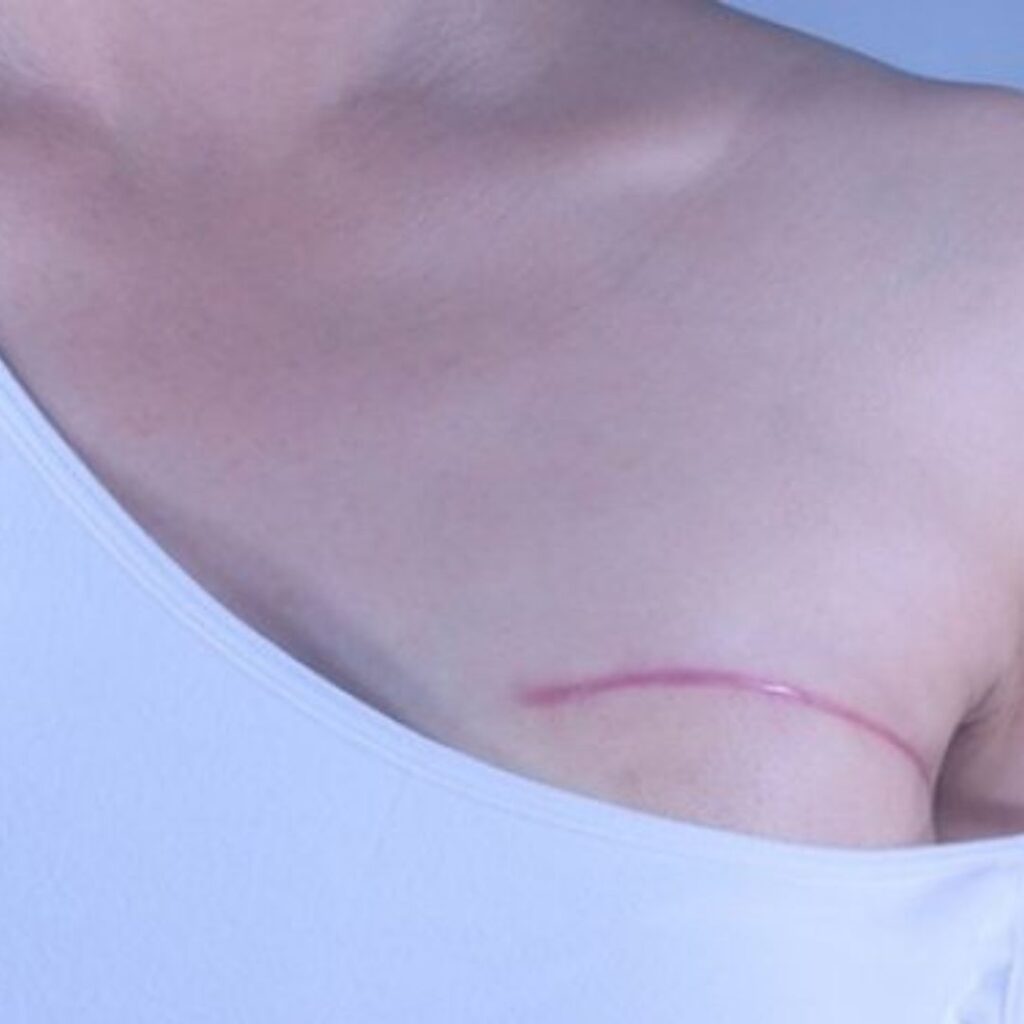
Whether you or a loved one has undergone a lumpectomy, mastectomy, or reconstructive breast surgery, understanding the recovery process and managing your physical and emotional well-being are key to regaining control and confidence.
Let’s dive into what to expect after surgery, how to take care of yourself at home, and when to seek help.
Types of Breast Cancer Surgery and Their Recovery Needs
Each breast cancer patient may undergo a different type of surgery depending on the stage, size, and spread of the tumor. The most common types include:
- Lumpectomy: Removes the tumor and a small margin of surrounding tissue.
- Mastectomy: Involves removal of one or both breasts, sometimes including lymph nodes.
- Reconstructive Surgery: Rebuilds the breast shape using implants or tissue from another part of the body.
- Lymph Node Dissection: Performed to check if the cancer has spread to nearby nodes.
The recovery process, pain levels, and possible complications vary based on the procedure and the patient’s overall health.
To understand these procedures in detail, refer to this comprehensive blog on Types of Breast Cancer Surgery, which outlines surgical options and their implications.
Immediate Post-Surgery Recovery: Hospital to Home
After the operation, patients are usually monitored in the hospital for 1–2 days, depending on the surgery type. Here’s what to expect:
- Drain tubes: These may be placed to remove excess fluid and are typically removed within a week.
- Pain management: Prescribed medications help control post-surgical discomfort.
- Limited movement: Lifting arms overhead or carrying heavy items is restricted during early healing.
- Bandages and wound care: Instructions will be provided to keep incisions clean and dry.
Before discharge, your surgical team will provide a home care guide that outlines wound care, physical activity, and follow-up appointments.
For more about the timeline of breast cancer treatment, from diagnosis to recovery, check this guide: Breast Cancer Treatment Timeline.
Essential Tips for At-Home Recovery
The first few weeks after surgery are critical for healing. Here are key areas to focus on:
1. Wound Care
- Keep the area clean and dry.
- Do not apply creams or powders unless recommended.
- Watch for signs of infection like redness, warmth, pus, or fever.
2. Pain & Medication
- Take prescribed painkillers on time.
- Report any sudden increase in pain to your doctor.
3. Drain Management
- Measure and record fluid from surgical drains.
- Clean the drain site as instructed.
4. Mobility & Exercises
- Begin light arm and shoulder exercises as advised to avoid stiffness.
- Avoid driving until cleared by your doctor.
You can read more about post-surgery mobility exercises and rehabilitation in this article on Recovery Tips After Breast Cancer Surgery.
Emotional and Psychological Healing
The emotional impact of breast surgery can be profound. Patients often face issues like:
- Body image concerns
- Fear of recurrence
- Anxiety or depression
- Fatigue or sleep issues
Seeking support from counselors, survivor groups, and family can be incredibly helpful. Remember, healing is not just physical—it’s also emotional.
Follow-Up and Monitoring
After surgery, regular follow-ups are essential to:
- Check healing progress
- Review pathology reports
- Discuss further treatment (like chemotherapy or radiation)
- Monitor for recurrence
A PET scan may be recommended in some cases to check for residual cancer. Learn more about its benefits in this blog on PET Scan for Cancer Detection.
Potential Side Effects to Watch Out For
Every recovery is unique, but some patients may experience:
- Lymphedema (arm swelling due to lymph node removal)
- Phantom breast pain
- Tightness around the surgical area
- Fatigue that lasts weeks or months
Early intervention for these issues can reduce discomfort and improve quality of life.
When to Call the Doctor
Contact your surgical oncologist immediately if you notice:
- Persistent fever over 100.4°F (38°C)
- Excessive bleeding or pus from the incision
- Swelling, hardness, or severe pain in the chest or underarm
- Signs of lymphedema (arm swelling or tightness)
Choosing the Right Oncologist Matters
While you don’t need to see your surgeon every day, having a trustworthy cancer specialist to oversee your recovery makes a world of difference. A brief note on Dr. Kanuj Malik:
He is a highly experienced Surgical Oncologist based in Noida, known for his personalized and multidisciplinary approach to cancer care. With advanced training and deep expertise in breast and gynecological cancers, he ensures that patients receive not only expert surgery but also continuous post-operative guidance.
To know more about his areas of specialization, visit his official website.
Final Thoughts: You Are Stronger Than You Know
Recovering from breast cancer surgery is a journey of strength, patience, and resilience. With the right care, a healthy lifestyle, and medical guidance, you can emerge stronger—both physically and emotionally.
If you or someone you love is preparing for surgery or is in recovery, stay informed, follow your care plan, and never hesitate to ask for help.