
Breast cancer is often thought of as a disease affecting older women, but it also impacts younger women under 40—sometimes with even more aggressive outcomes. While less common, breast cancer in young women brings unique medical, psychological, and social challenges. Understanding these issues is essential for early detection, better treatment outcomes, and holistic care.
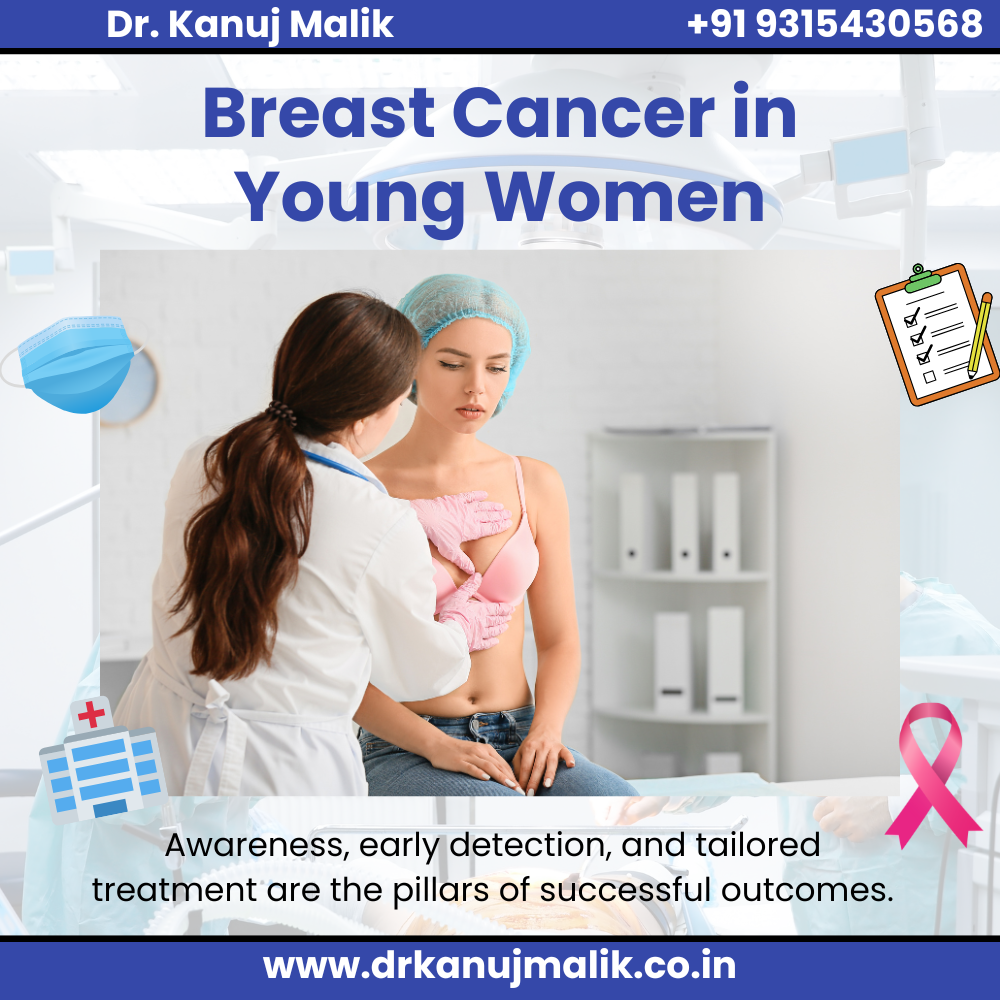
Why Breast Cancer in Young Women is Different
Aggressiveness of the Disease
Breast cancer in young women tends to be more aggressive, with tumors that grow faster and are often diagnosed at a later stage. These cancers may also respond differently to treatment compared to those in older women.
Breast Density
Younger women usually have denser breast tissue, which makes standard mammography less effective. This increases the likelihood of delayed diagnosis, as subtle tumors are harder to detect. Regular vigilance and awareness of the early signs of cancer are crucial for timely intervention.
Fertility Concerns
Cancer treatments such as chemotherapy and radiation can significantly affect fertility. Young women who wish to plan families face difficult decisions about preserving fertility before beginning treatment. Fertility counselling should be part of their cancer care plan.
Psychological Impact
At an age when many are focused on careers, relationships, or starting families, a cancer diagnosis can disrupt life plans. The emotional toll of treatment, body image issues after surgery, and the fear of recurrence create significant psychological strain. Support groups and counseling play a key role in helping patients cope.
Risk Factors for Breast Cancer in Young Women
Certain factors make younger women more vulnerable to breast cancer:
- Genetic predisposition – Mutations in BRCA1 and BRCA2 genes are common among young patients.
- Family history – A mother, sister, or close relative diagnosed at a young age increases risk.
- Lifestyle influences – Obesity, smoking, alcohol, and poor diet may contribute.
- Hormonal factors – Early menstruation or hormone-based therapies may increase risk.
Women who carry high genetic risk may benefit from genetic counseling and advanced screening protocols.
Symptoms and Early Detection
The symptoms of breast cancer in young women are similar to those in older women but are often overlooked due to their age. Key warning signs include:
- A lump or thickening in the breast
- Changes in breast size, shape, or symmetry
- Dimpling or puckering of breast skin
- Inversion of the nipple or unusual discharge
- Persistent pain or swelling in the breast or underarm
Since routine screening is not typically offered before 40, young women should be proactive about breast self-exams and report any unusual changes immediately.
For more information about self-care after treatment, you can explore guidance on recovery following breast cancer surgery.
Treatment Options for Young Women
Treatment must consider the patient’s age, disease stage, and personal goals such as fertility.
- Surgical options – Lumpectomy or mastectomy depending on tumor size and spread.
- Chemotherapy – Often recommended for young women due to the aggressive nature of tumors.
- Radiation therapy – Used after surgery to reduce recurrence.
- Hormone therapy – Effective in hormone receptor-positive cancers.
- Targeted therapy – Including triple-negative breast cancer treatment strategies.
A multidisciplinary approach, led by a specialist oncologist, ensures both survival and quality of life are prioritized.
Long-Term Health Concerns
Survivors of young breast cancer face ongoing health challenges:
- Early menopause due to chemotherapy or ovarian removal
- Higher risk of heart disease and osteoporosis
- Secondary cancers from long-term treatment exposure
- Lasting effects on fertility and hormonal balance
This makes long-term monitoring and lifestyle modifications critical. Preventive measures such as regular screenings and adopting healthy habits are emphasized in resources on how lifestyle changes can lower cancer risk.
Support Systems and Resources
Young women often feel isolated during treatment because most peers are not facing similar issues. Support groups, fertility counseling, and psychological therapy can help patients manage stress and maintain emotional resilience.
Families and caregivers also play a central role by offering practical help during recovery and ensuring treatment adherence.
Expert Care from Dr. Kanuj Malik
Dr. Kanuj Malik is a surgical oncologist in Noida with 14 years of experience in treating cancers, including breast cancer in young women. He completed his MBBS and MS in General Surgery at Maulana Azad Medical College & Lok Nayak Hospital, followed by an MCh in Surgical Oncology at the Cancer Institute (WIA), Adyar, Chennai.
Dr. Malik’s expertise includes:
- Breast Cancer Surgery and Treatment
- Head and Neck Cancer Treatment
- Minimally Invasive Gynecological and Gastrointestinal Cancer Surgeries
- Genitourinary Cancer Surgeries
- Musculoskeletal Cancer Surgeries
Recognized for his research contributions and active in various medical associations, he is often sought as a trusted breast cancer specialist in Noida. His approach combines advanced surgical techniques with compassionate care to provide the best possible outcomes for patients.
Conclusion
Breast cancer in young women is a unique and complex challenge. The aggressive nature of the disease, fertility concerns, psychological stress, and long-term side effects require a comprehensive and specialized care plan.
Awareness, early detection, and tailored treatment are the pillars of successful outcomes. With the guidance of experienced oncologists like Dr. Kanuj Malik, young women can receive not only effective medical treatment but also holistic support to face their journey with strength and hope.