
Many women notice that their breasts feel tender, swollen, or lumpy in the days leading up to their menstrual period. This can be uncomfortable and sometimes alarming, especially when the texture of the breast seems to change suddenly. In most cases, these changes are linked to fibrocystic breast changes, a common and non-cancerous condition influenced by hormonal fluctuations.
Understanding why these symptoms occur, how to recognize normal versus concerning signs, and when to seek medical advice can help reduce anxiety and support better breast health awareness.
What Are Fibrocystic Breast Changes?
Fibrocystic breast changes refer to benign alterations in breast tissue that can cause lumpiness, tenderness, or pain, particularly before menstruation. These changes are extremely common and affect a large number of women, especially between the ages of 20 and 50.
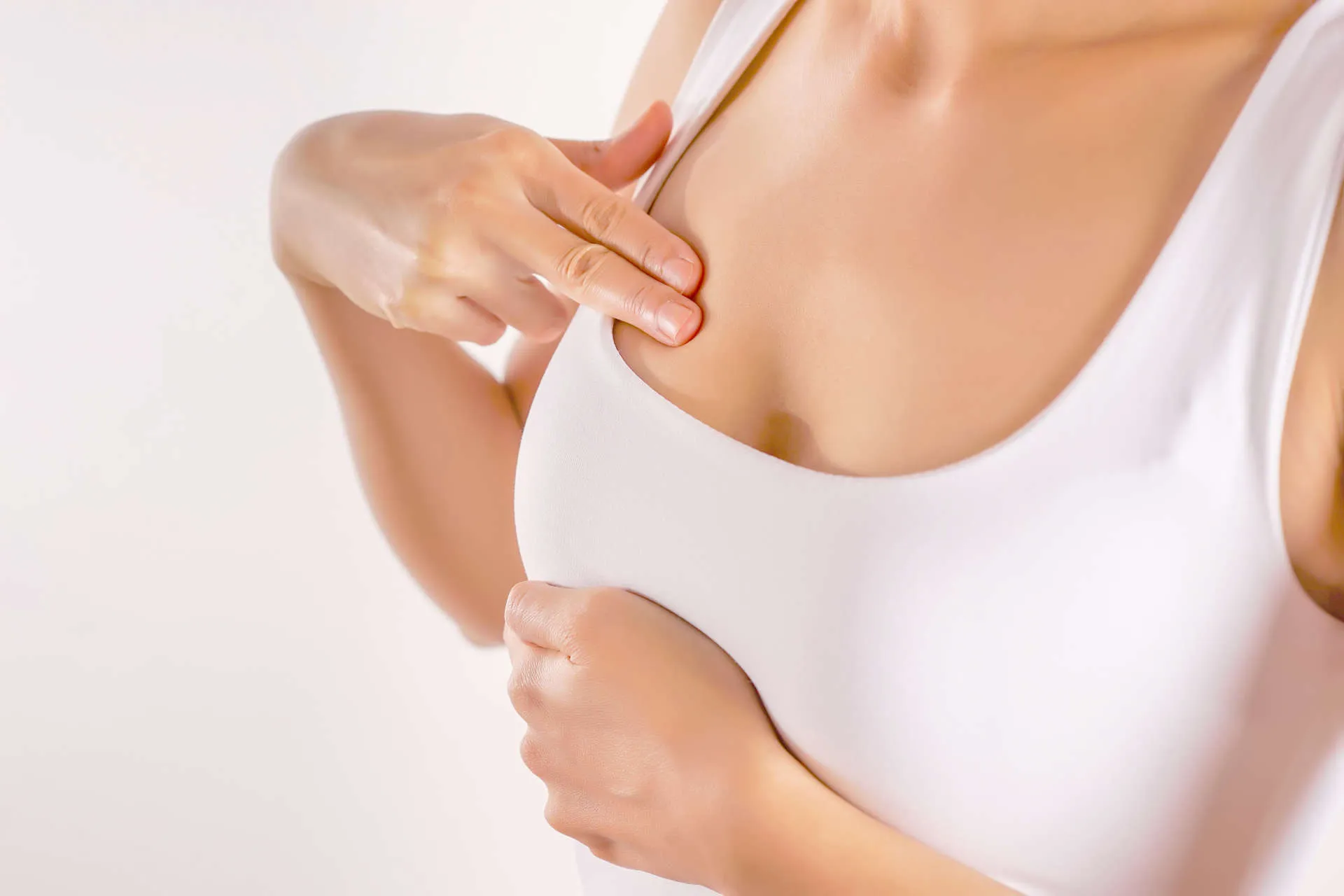
Fibrocystic breasts may feel:
- Rope-like or nodular in texture
- Swollen or heavy
- Tender to touch, especially in the upper outer areas
Importantly, fibrocystic changes are not a disease and do not increase breast cancer risk, but they can make breast examinations more confusing without proper guidance.
Why Do Symptoms Worsen Before Periods?
The primary reason breasts feel lumpy or painful before periods is hormonal fluctuation, especially changes in estrogen and progesterone levels during the menstrual cycle.
Hormonal Influence on Breast Tissue
- Estrogen stimulates breast tissue growth, leading to swelling
- Progesterone causes milk glands to enlarge
- Fluid retention increases before periods, making breasts feel heavy or tender
These changes peak in the luteal phase (after ovulation and before menstruation) and usually subside once the period begins.
Common Symptoms of Fibrocystic Changes
Symptoms can vary from mild to significant and may affect one or both breasts.
Typical Symptoms Include
- Cyclical breast pain (comes and goes with periods)
- Lumps that change in size during the cycle
- Breast fullness or heaviness
- Increased sensitivity before menstruation
- Symptoms improving after periods
Pain is usually dull or aching rather than sharp, and lumps often feel movable rather than fixed.
How Are Fibrocystic Changes Different from Breast Cancer?
One of the most common concerns is whether lumpy breasts indicate cancer. While fibrocystic changes are benign, knowing the difference is essential.
Fibrocystic Changes
- Pain varies with menstrual cycle
- Lumps are soft or rubbery
- Both breasts often affected
- Size and tenderness fluctuate
Concerning Signs That Need Evaluation
- A hard, fixed lump that does not change
- Persistent pain unrelated to periods
- Nipple discharge (especially bloody)
- Skin dimpling or nipple retraction
If uncertainty exists, evaluation by a Breast Cancer Specialist in Noida can provide clarity through clinical examination and imaging.
How Are Fibrocystic Breast Changes Diagnosed?
Diagnosis typically involves a combination of clinical assessment and imaging.
Diagnostic Methods
- Clinical breast examination
- Ultrasound (preferred for younger women)
- Mammography (age and risk dependent)
- Fine needle aspiration (if cystic fluid needs evaluation)
Most cases do not require invasive testing once fibrocystic changes are confirmed.
How Can You Manage Pain and Discomfort?
Although fibrocystic changes cannot always be prevented, symptoms can be effectively managed.
Lifestyle and Home Care Tips
- Wear a supportive, well-fitted bra
- Reduce caffeine and high-salt foods
- Maintain a balanced diet
- Apply warm or cold compresses
- Use over-the-counter pain relief if advised
Medical Management
- Vitamin E or evening primrose oil (in selected cases)
- Hormonal regulation under medical supervision
- Short-term pain management strategies
Persistent or worsening pain should always be evaluated by a qualified Surgical Oncologist in Noida to rule out other conditions.
When Should You See a Doctor?
Medical consultation is recommended if:
- A new lump persists after periods
- Pain is severe or worsening
- One breast looks different from the other
- There is nipple discharge or skin change
- Anxiety persists despite reassurance
Early evaluation ensures peace of mind and timely care when needed.
About Dr. Kanuj Malik
Dr. Kanuj Malik is a highly experienced surgical oncology specialist known for his patient-centered approach and accurate diagnosis of breast-related concerns.
He helps women differentiate between benign conditions like fibrocystic changes and more serious breast disorders through thorough evaluation, evidence-based guidance, and compassionate care.
Contact Details:
- Phone: 093154 30568
- Address: Shop No 143, 1st Floor, Cleo Street, near Cleo County, Sector 121, Noida, Basi Bahuddin Nagar, Uttar Pradesh 201301
- Location: https://maps.app.goo.gl/mgxFLjbfjS99bWkv8
Conclusion
Lumpy or painful breasts before periods are most often due to fibrocystic changes driven by normal hormonal fluctuations. While these symptoms are usually harmless, understanding your body and monitoring changes is essential. With proper awareness, lifestyle adjustments, and timely medical advice, most women can manage symptoms effectively and confidently. If symptoms feel unusual or persistent, seeking expert evaluation ensures reassurance and appropriate care.