
Radioactive Iodine (RAI) Therapy is one of the most effective and well-established treatments for thyroid cancer. It has been used safely for decades and plays a critical role in eliminating remaining cancer cells after thyroid surgery. For many patients, RAI therapy significantly reduces the risk of recurrence and improves long-term outcomes.
This article explains what RAI therapy is, how it works, who needs it, its benefits, possible side effects, and what patients can expect before and after treatment.
What Is Radioactive Iodine (RAI) Therapy?
Radioactive Iodine Therapy uses a radioactive form of iodine called Iodine-131. Since thyroid cells naturally absorb iodine, this therapy works by selectively targeting thyroid tissue and thyroid cancer cells.
When radioactive iodine is swallowed in capsule or liquid form, it travels through the bloodstream and is absorbed primarily by thyroid cells, where it destroys them with minimal impact on the rest of the body. This targeted approach makes RAI therapy both effective and relatively safe.
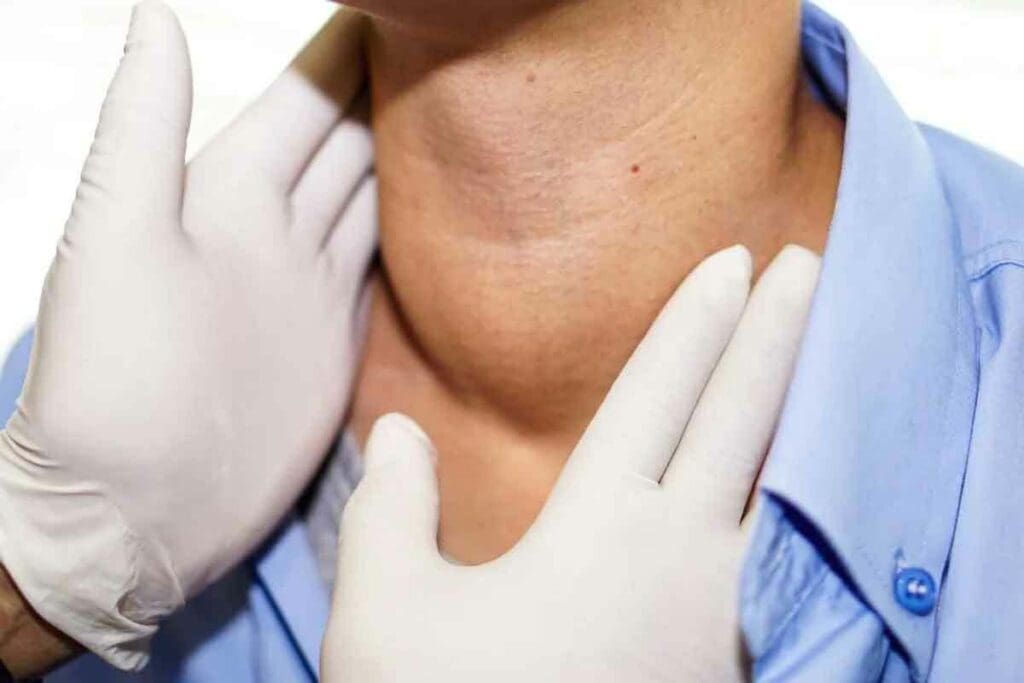
Why Is RAI Therapy Used in Thyroid Cancer?
RAI therapy is commonly used after thyroid surgery (thyroidectomy) to:
- Destroy remaining microscopic cancer cells
- Reduce the risk of cancer recurrence
- Treat thyroid cancer that has spread to lymph nodes or distant organs
- Improve accuracy of long-term follow-up tests
It is most effective in papillary and follicular thyroid cancers, which retain the ability to absorb iodine.
Who Is an Ideal Candidate for RAI Therapy?
Not all thyroid cancer patients require RAI therapy. Doctors assess several factors before recommending it:
- Size and type of the tumor
- Spread to lymph nodes or other organs
- Surgical findings after thyroid removal
- Age and overall health of the patient
- Risk of recurrence
Patients with intermediate to high-risk thyroid cancer benefit the most. Treatment planning should always be done under the guidance of an experienced Surgical Oncologist in Noida to ensure appropriate patient selection.
How to Prepare for Radioactive Iodine Therapy
Low-Iodine Diet
Patients are advised to follow a low-iodine diet for 1–2 weeks before treatment. This increases the effectiveness of radioactive iodine uptake by cancer cells.
Thyroid Hormone Withdrawal or Injections
To raise TSH (thyroid-stimulating hormone) levels, doctors may temporarily stop thyroid hormone tablets or use special injections to prepare the body for RAI therapy.
How Is RAI Therapy Given?
RAI therapy is a simple and painless procedure:
- The patient swallows a capsule or liquid containing radioactive iodine
- No anesthesia or surgery is required
- The iodine is absorbed by thyroid cells over the next few hours
- Patients may need temporary isolation to prevent radiation exposure to others
The duration of isolation depends on the dose given and hospital guidelines.
Effectiveness of RAI Therapy for Thyroid Cancer
RAI therapy has shown excellent results, especially when used appropriately:
- Reduces recurrence risk significantly
- Improves long-term survival rates
- Enhances reliability of blood tests and scans
- Effective even for small residual cancer deposits
For low-risk patients, cure rates exceed 90%, while high-risk patients also benefit from improved disease control.
Possible Side Effects of RAI Therapy
RAI therapy is generally well tolerated, but some temporary side effects may occur:
- Dry mouth or change in taste
- Neck discomfort or swelling
- Nausea
- Fatigue
- Mild salivary gland inflammation
Rare long-term risks include reduced fertility or secondary cancers, but these are uncommon and carefully monitored by specialists.
Recovery and Life After RAI Therapy
Most patients resume normal activities within a few days. Long-term management includes:
- Regular blood tests (thyroglobulin levels)
- Imaging studies if required
- Lifelong thyroid hormone replacement therapy
- Periodic follow-ups to monitor recurrence
With proper care, most patients lead healthy and active lives after treatment.
Is RAI Therapy Safe for Everyone?
RAI therapy is not recommended for:
- Pregnant women
- Breastfeeding mothers
Each case must be evaluated individually. A consultation with an experienced Cancer Specialist in Noida ensures that the benefits clearly outweigh any potential risks.
Common Patient Questions About RAI Therapy
Will RAI therapy cause hair loss? No. Hair loss is not a common side effect of RAI therapy.
How long does radiation stay in the body? Most of the radioactive iodine leaves the body within a few days through urine and sweat.
Can thyroid cancer return after RAI therapy? While recurrence is possible, RAI therapy significantly lowers this risk.
About Dr. Kanuj Malik
Dr. Kanuj Malik is a highly experienced oncologist known for his patient-focused, evidence-based approach to cancer care. He specializes in managing complex cancers with personalized treatment strategies, ensuring both clinical effectiveness and quality of life. His expertise in post-surgical cancer therapies, including radioactive iodine treatment, helps patients make informed decisions with confidence and clarity.
Contact Details – Dr. Kanuj Malik
Dr. Kanuj Malik
Phone: 093154 30568
Address: Shop No. 143, 1st Floor, Cleo Street, Near Cleo County, Sector 121, Noida, Basi Bahuddin Nagar, Uttar Pradesh 201301
Google Maps: https://maps.app.goo.gl/mgxFLjbfjS99bWkv8