
Uterine cancer, most commonly endometrial cancer, is a condition that often develops due to hormonal imbalances in the body. Many women are diagnosed at an early stage, while others may discover the disease after experiencing persistent symptoms.
Along with surgery and radiation, hormone therapy has emerged as an important treatment option for selected patients.
This blog explains the role of hormone therapy in a clear problem–solution format, helping patients and families understand how it works, who benefits from it, and when it is recommended.
The Problem: Hormonal Influence on Uterine Cancer Growth
Uterine cancer cells are often sensitive to hormones, particularly estrogen and progesterone. In many women, prolonged exposure to estrogen without the balancing effect of progesterone can stimulate abnormal growth of the uterine lining.
How Hormones Contribute to Cancer Progression?
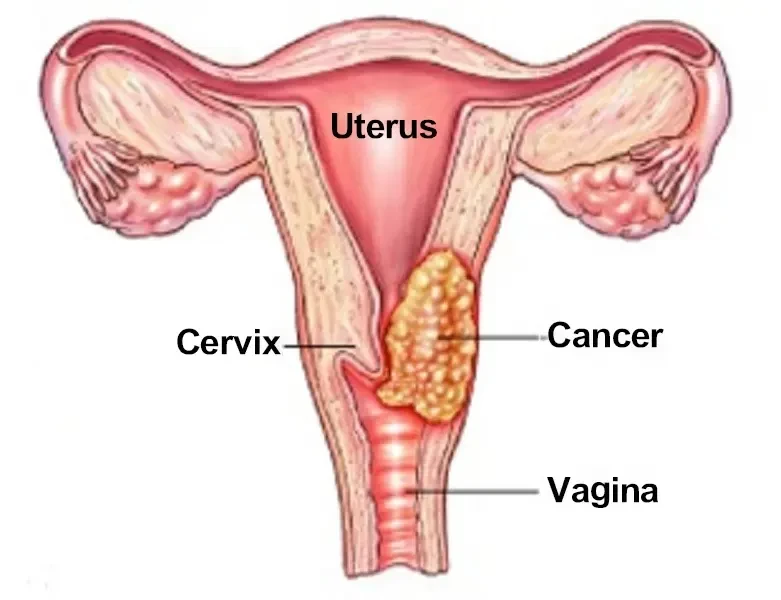
- Estrogen promotes cell growth in the uterine lining
- Cancer cells may have hormone receptors that fuel their multiplication
- Obesity, PCOS, diabetes, and late menopause can increase estrogen levels
- Hormonal imbalance can lead to recurrence even after treatment
This hormonal dependency creates a challenge, especially for women who are not ideal candidates for aggressive surgery or those with advanced or recurrent disease.
The Solution: Hormone Therapy as a Targeted Treatment Approach
Hormone therapy works by blocking or counteracting the hormones that uterine cancer cells depend on to grow. Instead of directly destroying cancer cells like chemotherapy, hormone therapy slows or stops their growth by altering the body’s hormonal environment.
Why Hormone Therapy Is Used?
- Controls hormone-sensitive cancer cells
- Slows tumor growth
- Helps manage advanced or recurrent cancer
- Can be an option for patients unfit for surgery
- May preserve fertility in carefully selected younger women
Because of its targeted nature, hormone therapy is often associated with fewer side effects compared to systemic treatments.
Types of Hormone Therapy Used in Uterine Cancer
Different hormonal agents are used depending on cancer type, stage, and receptor status.
1. Progestins
Progestins counteract estrogen’s effect on uterine tissue and are commonly used in:
- Early-stage endometrial cancer
- Fertility-preserving treatment plans
- Recurrent or metastatic cases
2. Anti-Estrogen Therapies
These treatments reduce estrogen production or block estrogen receptors, helping slow cancer growth.
3. Combination Hormonal Approaches
In some cases, hormone therapy may be combined with other treatments to improve outcomes.
An experienced Uterus Cancer Specialist in Noida carefully evaluates hormone receptor status before recommending this therapy, ensuring the treatment is both safe and effective.
Who Can Benefit Most from Hormone Therapy?
Hormone therapy is not suitable for every patient, but it can be highly effective for selected individuals.
Ideal Candidates Include
- Patients with hormone receptor–positive uterine cancer
- Women with early-stage disease seeking fertility preservation
- Patients with advanced or recurrent cancer
- Individuals unable to undergo major surgery due to medical conditions
Careful patient selection is crucial, as hormone therapy works best when guided by detailed diagnostic testing and long-term monitoring.
Effectiveness and Limitations of Hormone Therapy
While hormone therapy can slow cancer progression, it is not a standalone cure in all cases.
Benefits
- Non-invasive treatment option
- Slower disease progression
- Improved quality of life
- Reduced treatment-related toxicity
Limitations
- Not effective for hormone receptor–negative cancers
- Response may take weeks or months
- Requires strict follow-up and monitoring
This is why treatment decisions should always be made by specialists experienced in comprehensive cancer care.
Monitoring and Side Effects: What Patients Should Expect
Hormone therapy requires regular follow-up to assess response and manage side effects.
Common Side Effects
- Weight gain
- Fluid retention
- Mood changes
- Fatigue
Most side effects are manageable when therapy is supervised by a qualified oncologist, and treatment plans are adjusted based on individual response.
When Is Hormone Therapy Combined with Other Treatments?
In many cases, hormone therapy is used as part of a broader treatment strategy.
Combination Treatment Scenarios
- After surgery to reduce recurrence risk
- Alongside radiation in selected cases
- For long-term disease control in advanced stages
A multidisciplinary approach ensures that patients receive the most effective and personalized care possible.
Expertise Matters in Hormone-Based Cancer Treatment
Hormone therapy for uterine cancer requires deep understanding of cancer biology, hormonal pathways, and patient-specific factors. Incorrect selection or monitoring can reduce effectiveness or delay necessary interventions.
About Dr. Kanuj Malik
Dr. Kanuj Malik is a highly experienced cancer surgeon known for his patient-centric and evidence-based approach to cancer care. He carefully evaluates each uterine cancer case to determine whether hormone therapy is appropriate or whether it should be combined with surgery or other treatments. His focus remains on accurate diagnosis, personalized treatment planning, and long-term patient well-being.
Conclusion: Hormone Therapy as a Powerful Tool in Uterine Cancer Care
Hormone therapy plays a vital role in slowing the growth of hormone-sensitive uterine cancer cells. When used in the right patients and at the right time, it can control disease progression, reduce symptoms, and improve quality of life. Early consultation, expert evaluation, and continuous monitoring are key to achieving the best outcomes.
Contact Information – Dr. Kanuj Malik
Dr. Kanuj Malik
Phone: 093154 30568 | +91 8826606064
Address: Shop No 143, 1st Floor, Cleo Street, near Cleo County, Sector 121, Noida, Basi Bahuddin Nagar, Uttar Pradesh 201301
Google Maps: https://maps.app.goo.gl/mgxFLjbfjS99bWkv8