
Breast cancer remains one of the most common cancers affecting women worldwide. Early detection through breast cancer screening significantly improves survival rates, allowing for timely intervention and effective treatment. For women over 40, understanding when to start mammograms and choosing the appropriate screening method is critical for maintaining breast health.
This blog compares the best strategies, tools, and expert recommendations for breast cancer screening after 40.
Why Screening Matters After 40
Women over 40 are at a higher risk for breast cancer due to age-related changes in breast tissue and cumulative exposure to risk factors. Screening at this stage helps:
- Detect cancers before they become palpable
- Reduce mortality through early treatment
- Identify benign lumps and other conditions for monitoring
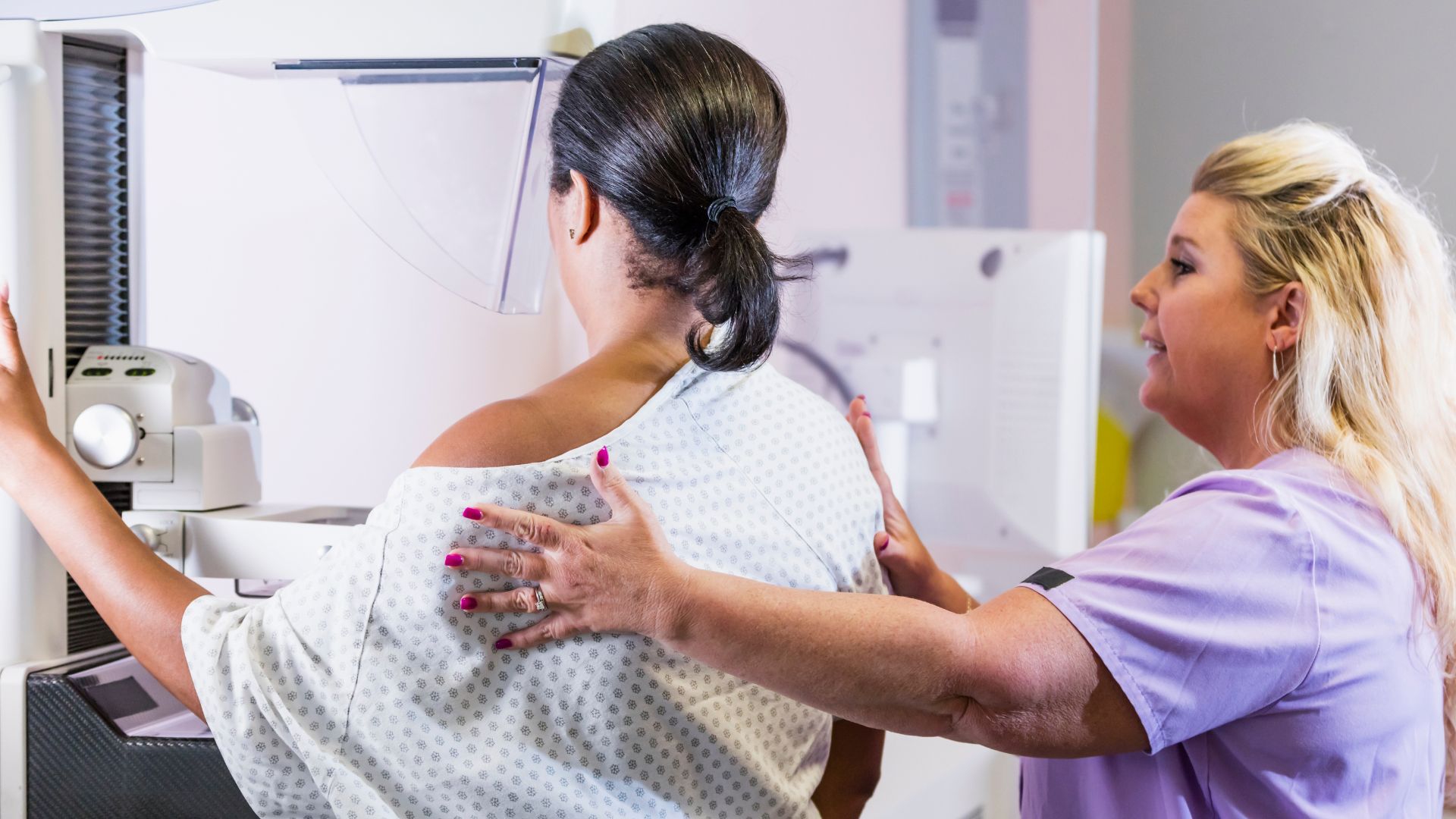
Multiple studies indicate that women who begin regular mammograms after 40 have a significantly higher chance of detecting cancer early, which improves treatment success.
Comparison of Screening Methods
Several breast cancer screening methods are available, and each has its advantages and limitations. Here’s a comparison of the most commonly used options:
| Screening Method | How It Works | Pros | Cons | Recommended Age/Use |
| Mammogram | Low-dose X-ray imaging of the breast | Detects tumors early, widely available | Can be uncomfortable, may miss dense tissue | Recommended yearly/biannual for women 40+ |
| Breast Ultrasound | Sound waves to create breast images | Useful for dense breasts, painless | May miss microcalcifications, operator dependent | Used as supplemental screening or for lumps |
| MRI (Magnetic Resonance Imaging) | Detailed imaging using magnets | Highly sensitive, detects small tumors | Expensive, not routine, may produce false positives | High-risk women or dense breasts |
| Clinical Breast Exam (CBE) | Physical examination by a doctor | Quick, inexpensive | Cannot detect small or deep tumors | Every 1–3 years depending on age/risk |
| Self-Breast Exam (SBE) | Self-conducted monthly checks | Promotes awareness, helps detect changes | Cannot replace professional screening | Monthly from age 20+ |
Key takeaway: For women over 40, annual or biannual mammograms are generally considered the most reliable screening tool. Ultrasound and MRI serve as supplemental tools for specific cases, particularly for dense breast tissue or high-risk individuals.
When to Start Mammograms
Guidelines vary slightly by organization, but commonly accepted recommendations include:
- American Cancer Society (ACS): Annual mammograms starting at 40 for average-risk women
- U.S. Preventive Services Task Force (USPSTF): Screening every 2 years starting at 40
- High-risk women: Those with a family history of breast cancer, genetic mutations (BRCA1/2), or previous chest radiation may require earlier or more frequent screening
Important consideration: Screening should continue as long as a woman is in good health and willing to undergo treatment if necessary.
Mammogram vs Ultrasound: Which Should You Choose?
- Mammogram is considered the gold standard for routine screening after 40. It can detect microcalcifications and small tumors that may not be palpable.
- Ultrasound is particularly useful for women with dense breast tissue, which can make mammogram interpretation challenging.
- In some cases, doctors recommend both tests together for higher accuracy.
Expert advice: Women over 40 should start with a mammogram, and if there are dense tissues or suspicious findings, a breast ultrasound can be used as a complementary tool.
Risks and Limitations of Mammograms
While mammograms are extremely valuable, patients should be aware of potential limitations:
- False positives may lead to additional testing and anxiety
- Radiation exposure is minimal but present
- May not detect all cancers, especially in dense breast tissue
Despite these limitations, the benefits of early detection far outweigh the risks. Regular screening remains a cornerstone of breast cancer prevention.
Lifestyle and Risk Management
Screening works best when combined with risk reduction strategies:
- Maintain a healthy weight and exercise regularly
- Limit alcohol consumption and avoid smoking
- Be aware of family history and genetic risk factors
- Perform regular self-breast exams
Women over 40 should also discuss their risk profile with a Breast Cancer Specialist in Noida or a Surgical Oncologist for personalized screening plans.
Meet Dr. Kanuj Malik – Expert Guidance for Breast Cancer Screening
Dr. Kanuj Malik is a Surgical Oncologist with 14 years of experience, specializing in Breast Cancer Treatment and minimally invasive surgeries. He completed his MBBS and MS in General Surgery from Maulana Azad Medical College & Lok Nayak Hospital, followed by an MCh in Surgical Oncology at the Cancer Institute (WIA), Chennai.
Dr. Malik has extensive experience in:
- Head and Neck Cancer Treatment
- Breast Cancer Treatment
- Minimally Invasive Gynecological and Gastrointestinal Cancer Surgeries
- Genitourinary and Musculoskeletal Cancer Surgeries
Clinic Details:
- Phone: +91 8826606064 / 093154 30568
- Address: Shop No 143, 1st floor, Cleo Street, near CLEO COUNTY, Sector 121, Noida, Basi Bahuddin Nagar, Uttar Pradesh 201301
- Google Maps: https://maps.app.goo.gl/mgxFLjbfjS99bWkv8
Consulting an experienced Breast Cancer Specialist in Noida ensures you receive the most accurate advice on when to start mammograms, how frequently to screen, and which supplemental tests may be necessary.
Conclusion: Making an Informed Choice
For women over 40, regular breast cancer screening is not optional—it’s essential. Choosing the right method, frequency, and timing can save lives.
- Start with annual or biannual mammograms
- Use ultrasound or MRI as supplemental tools if indicated
- Combine screening with lifestyle measures for optimal breast health
- Consult a qualified Cancer Specialist and Surgeon in Noida for personalized guidance
Remember, early detection through mammograms improves outcomes dramatically. If you’re over 40 or have risk factors, don’t wait—schedule a consultation with a trusted specialist like Dr. Kanuj Malik today.