
When a lump, mass, or abnormal tissue is detected in the body, one of the most important next steps is determining whether it is cancerous. Two commonly recommended diagnostic tests are FNAC (Fine Needle Aspiration Cytology) and Core Biopsy. While both procedures are used to diagnose cancer, they differ in accuracy, depth of information, and clinical usefulness.
This article explains FNAC vs Core Biopsy, their differences, advantages, limitations, and how doctors decide which test is best for accurate cancer diagnosis.
What Is FNAC (Fine Needle Aspiration Cytology)?
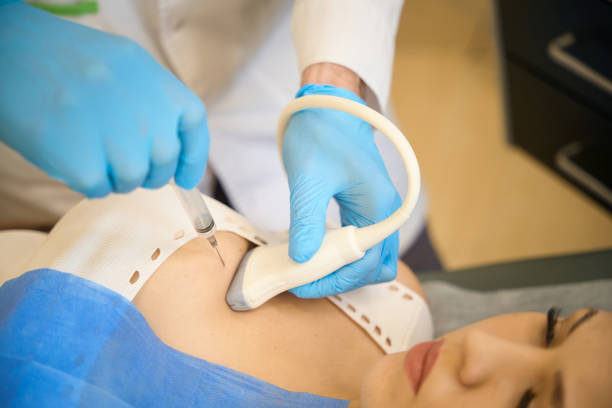
FNAC is a minimally invasive diagnostic procedure in which a thin needle is used to extract a small number of cells from a suspicious lump or swelling.
How FNAC Is Performed
- A fine needle is inserted into the lump
- Cells are aspirated using a syringe
- The sample is examined under a microscope
FNAC is commonly used for:
- Breast lumps
- Thyroid nodules
- Enlarged lymph nodes
- Superficial soft-tissue swellings
Advantages of FNAC
FNAC is often the first investigation recommended because it is simple and quick.
- Takes only a few minutes
- Minimal pain, no stitches
- Cost-effective
- Performed as an outpatient procedure
- Low risk of complications
Because of these benefits, FNAC is frequently used as a screening or initial diagnostic test.
Limitations of FNAC
Although FNAC is useful, it has important limitations:
- Examines only individual cells, not tissue structure
- Cannot reliably determine cancer grade
- May give inconclusive or suspicious results
- Limited ability to perform advanced tests
Due to these limitations, FNAC alone may not always confirm cancer with certainty.
What Is a Core Biopsy?
A core biopsy involves removing a small cylindrical piece of tissue using a thicker, hollow needle. Unlike FNAC, this test preserves the tissue architecture, which is crucial for detailed cancer analysis.
How Core Biopsy Is Performed
- Local anesthesia is given
- A core needle removes tissue samples
- Tissue is sent for histopathological examination
Core biopsy is widely used when a definitive diagnosis is required.
Advantages of Core Biopsy
Core biopsy provides more comprehensive diagnostic information:
- Preserves tissue structure
- Confirms presence or absence of cancer
- Identifies cancer type and grade
- Allows hormone receptor and biomarker testing
- Helps in precise treatment planning
Because of its accuracy, core biopsy is often considered the gold standard for cancer diagnosis.
FNAC vs Core Biopsy: Key Differences
| Feature | FNAC | Core Biopsy |
|---|---|---|
| Sample type | Cells only | Tissue sample |
| Diagnostic accuracy | Moderate | High |
| Invasiveness | Minimal | Slightly higher |
| Cancer grading | Not possible | Possible |
| Treatment planning | Limited | Detailed |
| Need for anesthesia | No | Yes (local) |
Which Test Is Better for Cancer Diagnosis?
The choice between FNAC and core biopsy depends on several factors:
- Size and location of the lump
- Suspicion level of cancer
- Need for detailed pathology
- Previous FNAC results
- Overall clinical assessment
Often, FNAC is performed first. If results are unclear or suspicious, a core biopsy is recommended. Decision-making by an experienced Cancer Specialist in Noida ensures the most appropriate diagnostic approach for each patient.
FNAC vs Core Biopsy in Breast Lump Evaluation
Breast lumps are one of the most common indications for biopsy procedures.
- FNAC helps differentiate benign and malignant cells
- Core biopsy confirms cancer type and aggressiveness
- Hormone receptor testing requires tissue from a core biopsy
For accurate diagnosis and treatment planning, evaluation by a qualified Breast Cancer Specialist in Noida is essential.
Can FNAC Miss Cancer?
Yes, FNAC can sometimes produce:
- False-negative results
- Inconclusive findings
- Indeterminate reports
If clinical suspicion remains high, doctors usually advise a core biopsy to avoid delayed diagnosis.
Are FNAC and Core Biopsy Safe?
Both procedures are considered safe when performed by trained professionals.
Possible minor side effects include:
- Mild pain
- Temporary swelling
- Small bruise at the site
Serious complications are extremely rare.
Role of Imaging Guidance
For deep or non-palpable lesions, FNAC or core biopsy may be performed under:
- Ultrasound guidance
- CT scan guidance
- Mammography guidance
Imaging improves accuracy and reduces sampling errors.
Importance of Accurate Diagnosis in Cancer Care
Accurate biopsy results are critical because they directly influence:
- Treatment selection
- Surgery decisions
- Chemotherapy or hormone therapy planning
- Overall prognosis
Choosing the right diagnostic method at the right time prevents unnecessary delays in cancer treatment.
Frequently Asked Questions
Is FNAC painful?
FNAC causes minimal discomfort and usually does not require anesthesia.
Is core biopsy more accurate than FNAC?
Yes, core biopsy provides higher diagnostic accuracy and more detailed information.
How long do biopsy reports take?
FNAC reports are usually available within 24–48 hours, while core biopsy results may take 3–5 days.
Will I need both FNAC and core biopsy?
In some cases, yes. FNAC may be followed by core biopsy for confirmation.