
Cancer can be a frightening diagnosis, but early detection significantly improves treatment outcomes. Stage 0 cancer, often referred to as carcinoma in situ, represents the earliest phase of cancer development. In this stage, abnormal cells are present but have not invaded neighboring tissues, making it highly treatable with timely intervention. Understanding stage 0 cancer, its types, symptoms, early diagnosis methods, and treatment options can empower patients and their families to take prompt action.
What is Stage 0 Cancer?
Stage 0 cancer is the initial stage of cancer progression. Unlike advanced stages, in stage 0, the abnormal cells remain confined to the layer of tissue where they originated. These cells have not yet penetrated deeper tissues or spread to lymph nodes or distant organs. Because of this containment, stage 0 cancer is often highly curable if detected early.
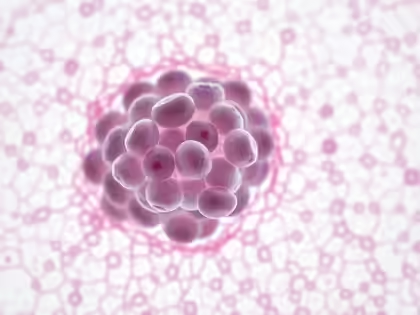
Commonly, stage 0 cancers are precancerous conditions that, if left untreated, may progress to invasive cancer. Regular screening and awareness are crucial to catch these changes before they evolve into more aggressive forms.
Types of Stage 0 Cancer
Stage 0 cancer can develop in various organs. Some of the most common include:
1. Breast Cancer (Ductal Carcinoma In Situ – DCIS)
Ductal carcinoma in situ (DCIS) is a non-invasive breast cancer where abnormal cells are confined to the milk ducts. DCIS rarely causes symptoms and is often detected during routine mammograms. Early detection of DCIS greatly improves treatment outcomes. For women seeking guidance, consulting a Breast Cancer Specialist in Noida like Dr. Kanuj Malik can provide personalized care and treatment options.
2. Cervical Cancer
Stage 0 cervical cancer, also known as Cervical Intraepithelial Neoplasia (CIN), involves abnormal cells on the cervix’s surface. Screening through Pap smears and HPV testing is vital. Early-stage cervical cancer is highly treatable, often with minimal invasive procedures.
3. Skin Cancer (Melanoma In Situ)
Melanoma in situ affects only the outermost layer of the skin. Though not immediately dangerous, it can become invasive if ignored. Regular skin checks and prompt attention to suspicious moles or lesions are essential.
4. Bladder Cancer
Stage 0 bladder cancer typically appears as flat or papillary tumors confined to the bladder lining. Early detection through urine tests and cystoscopy can prevent progression to invasive disease.
5. Colon Cancer (Stage 0 Polyps)
Certain polyps in the colon may be classified as stage 0 cancer if they exhibit abnormal cell growth but remain confined to the inner colon lining. Colonoscopies play a critical role in early identification and removal.
Symptoms and Early Warning Signs
Stage 0 cancers often do not produce noticeable symptoms, which is why regular screening is critical. Some subtle signs may include:
- Unusual lumps or growths (breast, skin, or lymph nodes)
- Abnormal bleeding or discharge (cervical or uterine)
- Changes in bowel or urinary habits (colon or bladder)
- Persistent skin changes, such as new moles or color changes
Because symptoms are minimal, routine check-ups and screening tests remain the most reliable way to identify stage 0 cancers.
Tips to Diagnose Stage 0 Cancer Early
Early diagnosis can save lives and reduce the intensity of treatment required. Here are some tips:
- Regular Screening: Mammograms, Pap smears, colonoscopies, and skin checks can detect precancerous changes before they become invasive.
- Know Your Risk Factors: Family history, lifestyle choices, and exposure to certain carcinogens increase cancer risk.
- Self-Examination: Monthly breast self-exams, skin checks, and monitoring of any unusual bodily changes can help catch early signs.
- Consult Specialists: Experts like Cancer Specialist in Noida or a Surgical Oncologist in Noida can provide proper evaluation, diagnostic tests, and guidance tailored to your risk profile.
- Advanced Diagnostic Tools: Imaging, biopsies, and molecular testing can detect abnormal cell growth at the earliest stages.
Dr. Kanuj Malik emphasizes the importance of early intervention, explaining that stage 0 cancers, though asymptomatic, are highly responsive to treatment when diagnosed promptly.
Treatment Options for Stage 0 Cancer
The treatment approach for stage 0 cancer focuses on completely removing or eliminating abnormal cells before they become invasive. Depending on the cancer type and patient factors, options include:
1. Surgical Removal
Surgery is often the first line of treatment for stage 0 cancers. Procedures aim to excise abnormal cells while preserving healthy tissue. For instance:
- DCIS in the breast: Lumpectomy or mastectomy based on the lesion size and location.
- Cervical Stage 0: Loop Electrosurgical Excision Procedure (LEEP) or conization to remove abnormal cells.
A Surgical Oncologist in Noida like Dr. Kanuj Malik can help determine the most suitable surgical approach for optimal outcomes.
2. Radiation Therapy
Radiation may be used after surgery or as a standalone treatment to destroy abnormal cells, particularly in areas where surgery is complex or not preferred.
3. Topical or Localized Treatments
For skin or superficial cancers, topical medications, cryotherapy, or laser therapy may be effective in eliminating abnormal cells with minimal side effects.
4. Monitoring and Follow-Up
In select cases, especially for very slow-growing lesions, doctors may recommend active surveillance with regular follow-up tests to ensure no progression occurs.
5. Lifestyle and Preventive Measures
Adopting a healthy lifestyle, including a balanced diet, regular exercise, limiting alcohol, avoiding tobacco, and sun protection, can support overall cancer prevention and recovery.
Why Early Detection Matters
Stage 0 cancer detection dramatically increases the chances of successful treatment, reduces the need for aggressive therapies, and improves long-term survival rates. By understanding risk factors, getting screened, and consulting with experienced professionals like Uterus Cancer Specialist in Noida or other relevant oncologists, patients can make informed decisions about their health.
Dr. Kanuj Malik’s clinic emphasizes personalized care, ensuring each patient receives the right diagnostic tools and treatment plan based on their condition and medical history.
Conclusion
Stage 0 cancer represents a crucial window for intervention. Though often asymptomatic, early detection and prompt treatment can prevent progression to invasive cancer and lead to excellent outcomes. Regular screenings, awareness of risk factors, consultation with qualified specialists, and timely treatment are key to staying ahead of this disease.
By partnering with skilled experts like Dr. Kanuj Malik, patients in Noida and surrounding areas can access comprehensive care from diagnosis to treatment, ensuring the best possible prognosis.