
Modern healthcare focuses on understanding what is happening inside the cells at a molecular level, which allows doctors to diagnose diseases more accurately and plan highly personalized treatments. One such advanced diagnostic technique that has transformed medical science is Immunohistochemistry (IHC).
Immunohistochemistry plays a crucial role in detecting cancers, identifying disease origin, and predicting treatment response.
This blog explains immunohistochemistry in a detailed, expert-driven yet easy-to-understand manner, helping patients and caregivers understand why this test is so important.
What Is Immunohistochemistry?
Immunohistochemistry is a laboratory technique used to identify specific proteins (antigens) present in cells within a tissue sample. These proteins often indicate the nature, origin, and behavior of a disease.
In simple words, immunohistochemistry helps doctors understand what type of disease it is, how aggressive it may be, and which treatment is likely to work best.
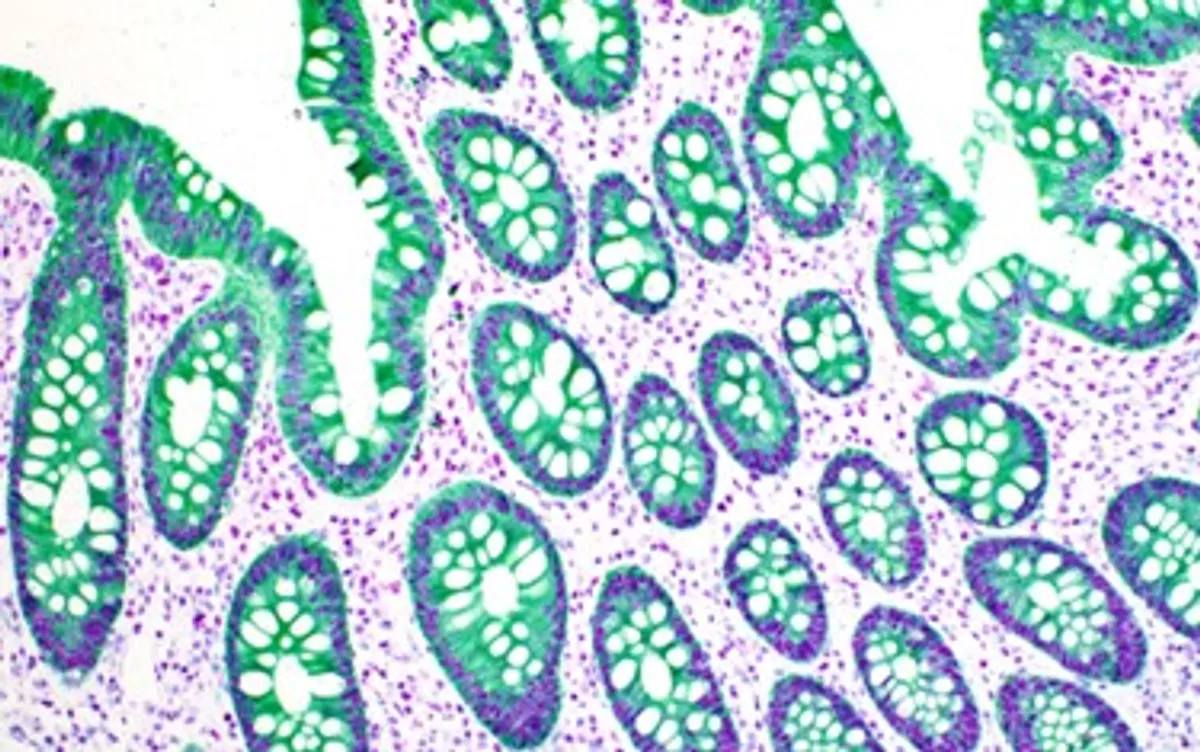
How Immunohistochemistry Works Step by Step?
Understanding the process helps patients appreciate why this test is so valuable.
Step-by-Step Process
- A tissue sample is obtained through biopsy or surgery
- The tissue is processed and placed on a glass slide
- Special antibodies are applied in the laboratory
- These antibodies bind to specific proteins in the cells
- A color reaction highlights the targeted proteins
- The sample is examined under a microscope by an expert pathologist
This colored reaction allows doctors to visually identify molecular markers that are otherwise invisible.
Why Immunohistochemistry Is Essential in Modern Diagnosis?
Traditional histopathology shows how cells look, but immunohistochemistry reveals how cells behave.
Key Reasons IHC Is So Important
- Improves accuracy of diagnosis
- Differentiates between similar-looking diseases
- Identifies the exact type of cancer
- Helps predict disease aggressiveness
- Guides targeted and hormone-based therapies
Without IHC, many complex diseases could be misclassified, leading to ineffective or unnecessary treatments.
Role of Immunohistochemistry in Cancer Detection
Cancer diagnosis is where immunohistochemistry proves most valuable. Many cancers may appear similar under routine staining but behave very differently at the molecular level.
How IHC Helps in Cancer Care?
- Confirms whether a tumor is malignant
- Identifies the tissue of origin in metastatic cancers
- Classifies cancer subtypes
- Determines hormone receptor and growth factor status
- Assists in selecting personalized treatment options
Because of this, immunohistochemistry has become a cornerstone of precision oncology.
Common Immunohistochemistry Markers and Their Meaning
Different markers are used depending on the suspected disease.
Commonly Used IHC Markers
- ER / PR – Indicates hormone sensitivity
- HER2 – Predicts response to targeted therapy
- Ki-67 – Measures how fast cancer cells are growing
- Cytokeratins – Identifies tissue origin
- p53 – Suggests genetic instability in cells
Each marker provides clinically actionable information that directly influences treatment planning.
Immunohistochemistry vs Routine Histopathology
Routine Histopathology
- Focuses on cell shape and structure
- Useful for initial diagnosis
- Limited molecular insight
Immunohistochemistry
- Detects specific cellular proteins
- Explains tumor biology
- Essential for targeted treatment decisions
In expert medical practice, both techniques are used together to reach the most accurate diagnosis.
When Do Doctors Recommend Immunohistochemistry?
Not every biopsy requires immunohistochemistry. It is recommended when additional clarity is needed.
Situations Where IHC Is Crucial
- Biopsy results are inconclusive
- Cancer subtype needs confirmation
- Disease has spread from an unknown primary site
- Planning hormonal or targeted therapy
- Assessing recurrence or treatment resistance
Appropriate selection of IHC markers ensures meaningful results without unnecessary testing.
Accuracy, Reliability, and Limitations of IHC
Immunohistochemistry is a highly reliable test when performed and interpreted correctly.
Strengths
- High specificity and sensitivity
- Internationally standardized protocols
- Strong correlation with treatment outcomes
Limitations
- Depends on tissue quality
- Requires expert interpretation
- Results must be correlated clinically
This is why IHC reports should never be interpreted in isolation.
Why Expert Interpretation Matters?
The true value of immunohistochemistry lies in how the results are clinically interpreted, not just in performing the test.
Consultation with an experienced Surgical Oncologist in Noida ensures that immunohistochemistry findings are correctly correlated with imaging, histopathology, and the patient’s overall clinical picture.
Expert Insight: Role of Clinical Experience
Molecular reports require medical judgment. Incorrect interpretation can lead to over-treatment or delayed therapy.
About Dr. Kanuj Malik
Dr. Kanuj Malik is known for his detail-oriented and patient-focused approach to cancer diagnosis and treatment. He emphasizes correlating immunohistochemistry findings with clinical examination, radiology, and pathology to ensure accurate diagnosis and personalized treatment planning. His approach reflects modern evidence-based oncology, where every test result is used thoughtfully for patient benefit.
Future of Immunohistochemistry in Healthcare
As medicine continues to evolve, immunohistochemistry will remain a foundational diagnostic tool.
Future Applications of IHC
- Precision oncology
- Targeted and immunotherapies
- Better prognostic predictions
- Reduced unnecessary treatments
Understanding disease biology at the molecular level is the future of effective and personalized healthcare.
Conclusion: Why Immunohistochemistry Is a Game Changer
Immunohistochemistry has revolutionized disease diagnosis by allowing doctors to detect illnesses at the molecular level. It improves diagnostic accuracy, guides personalized treatments, and enhances patient outcomes.
When interpreted by experienced specialists, IHC becomes a powerful bridge between laboratory science and real-world patient care.